
Understanding the thrill The psychology behind gambling behavior
Understanding the thrill The psychology behind gambling behavior
The Allure of Gambling
The allure of gambling lies in the thrill and excitement it generates. For many, the anticipation of winning can create a rush akin to that experienced in extreme sports or other adrenaline-inducing activities. This emotional response is often driven by a combination of dopamine release in the brain and the unpredictability of outcomes, which heightens the sense of excitement. In fact, seeking out top online casinos can enhance these thrilling experiences and offer diverse opportunities for engagement.
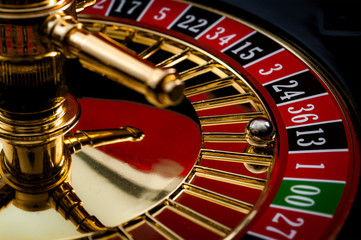
Gambling taps into human instincts, promoting risk-taking behavior that can lead to both exhilaration and despair. The challenge of overcoming odds can drive individuals to seek out gambling experiences, from casual bets with friends to high-stakes games in casinos, making it a universal fascination across cultures.
The Role of Cognitive Biases
Cognitive biases significantly shape gambling behavior, often leading players to misunderstand odds and probabilities. Many gamblers exhibit the illusion of control, believing that their skill can influence outcomes, even in purely chance-based games. This skewed perception can reinforce their desire to gamble, as they feel empowered to beat the odds.
Additionally, confirmation bias can lead gamblers to remember their wins more vividly than their losses, creating a distorted view of their gambling prowess. Such cognitive distortions play a crucial role in sustaining gambling behavior, making it difficult for individuals to recognize the risks involved.
Addiction and its Psychological Underpinnings
The psychological roots of gambling addiction are complex, intertwining emotional, social, and biological factors. For some individuals, gambling serves as an escape from reality, providing temporary relief from stress and anxiety. The cycle of chasing losses can deepen dependency, trapping gamblers in a cycle that’s hard to break.
Moreover, neurochemical changes in the brain further exacerbate this addiction. As gambling activates the brain’s reward system, individuals may find it increasingly difficult to resist the urge to gamble, leading to compulsive behaviors. Understanding these psychological underpinnings is crucial for addressing and treating gambling addiction effectively.
Social Influences on Gambling Behavior
Social factors play a pivotal role in shaping gambling habits. Cultural norms and peer influences can normalize gambling, often leading individuals to participate in activities they might otherwise avoid. Social gambling environments, such as casinos or betting parlors, can enhance the experience through communal interactions and shared excitement.
Moreover, social media and advertising can glamorize gambling, presenting it as a thrilling lifestyle choice. The portrayal of successful gamblers can mislead individuals into believing that winning is more common than it truly is, further entrenching gambling behavior within social contexts.

Insights from Gambling Industry News
Understanding the psychology behind gambling behavior is not only crucial for individuals but also for stakeholders in the gambling industry. Resources such as Gambling Industry News provide valuable insights into trends and developments that shape the landscape of gambling. By staying informed, both players and industry professionals can better navigate the complexities of gambling behavior.
Through continuous research and reporting, Gambling Industry News aims to shed light on the evolving nature of gambling, helping to educate the public and promote responsible gaming practices. In an industry characterized by constant change, staying connected with reliable information is essential for making informed decisions.